In recent years, we have witnessed a rapidly growing number of art fairs all over the world. Among the fierce competition, the most attractive and well-known art fair must be Art Basel. It is held three times a year in three different locations around the world, including Basel, Hong Kong and Miami Beach.
This year’s Art Basel in Switzerland is open from June 16 to June 21. The first three days are reserved for collectors who received invitations. Public days starts from June 17, and it is expected to attract plenty of people who come to visit.
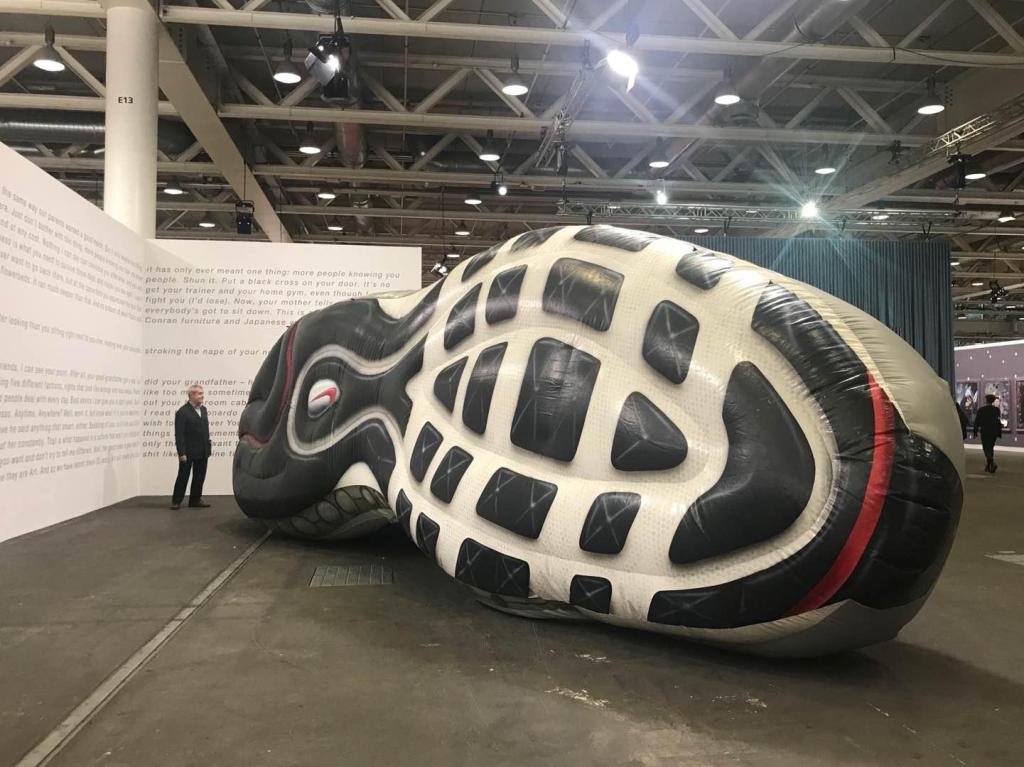
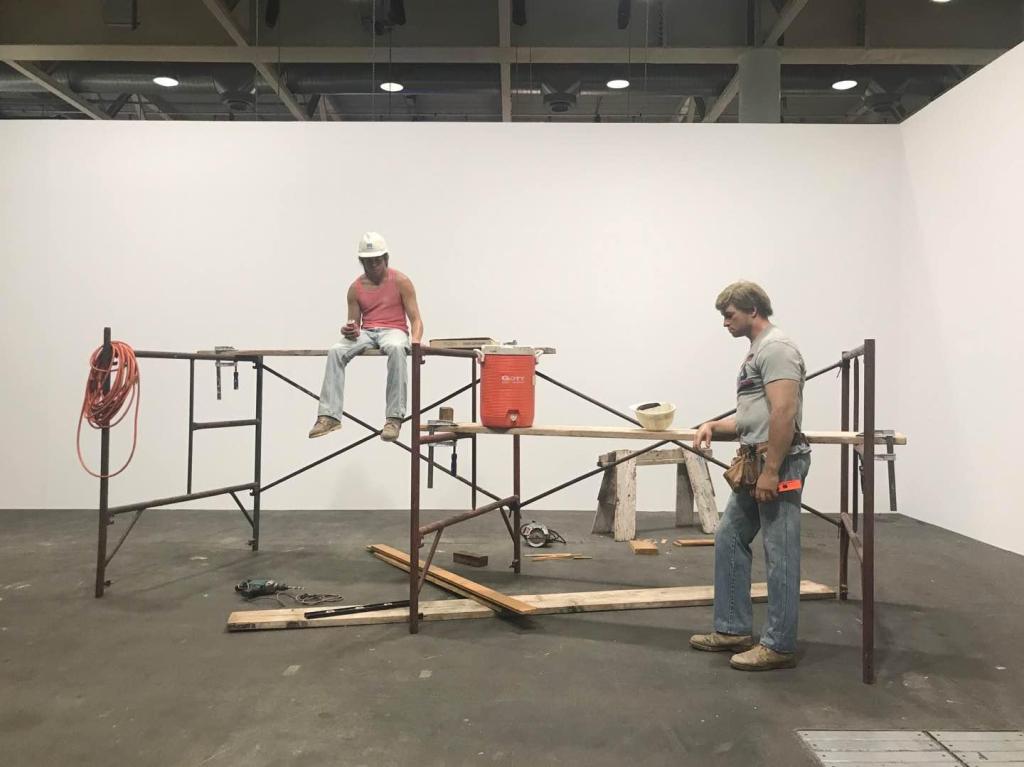
Art Basel is mainly composed of five sectors: galleries, feature, statements, edition, and unlimited. The unlimited sector is the most popular one, because this exhibition includes large-scale installation artwork, live performance, massive sculpture and painting. In other words, it is perfectly suitable for Instagram posting. My trip also starts from this sector.
Fair is open at 11:00 AM, but one hour ahead of the opening time, there are already lots of people gathering in front of the hall, and some people were sitting inside. Few minutes to 11:00, visitors are waiting and talking in front of the gate excitedly and I am one of them.
I stayed in this sector for one hour and a half. It is an enormous space with many pieces of artwork scattered around. Some of the artwork needs to line up for a while. After viewing all the artwork, I have to say that it is not amazing enough for me. Some artworks are made for catching up with the trend rather than expressing meaningful and thoughtful messages. Buzz words like VR and minority group are used by several artists to show off their updated awareness towards to the world trend. However, the overall organization is quite impressive. There are enough seats for visitors to rest. The organizer also leaves enough space among each artwork, so that people can stop and discuss without bothering the following visitors. Each artwork is numbered and provide a description paper. Volunteers are also standing next to the artwork, who you can ask without hesitate.
After the unlimited sector, I move to Hall 2, where has galleries, statement and edition located.
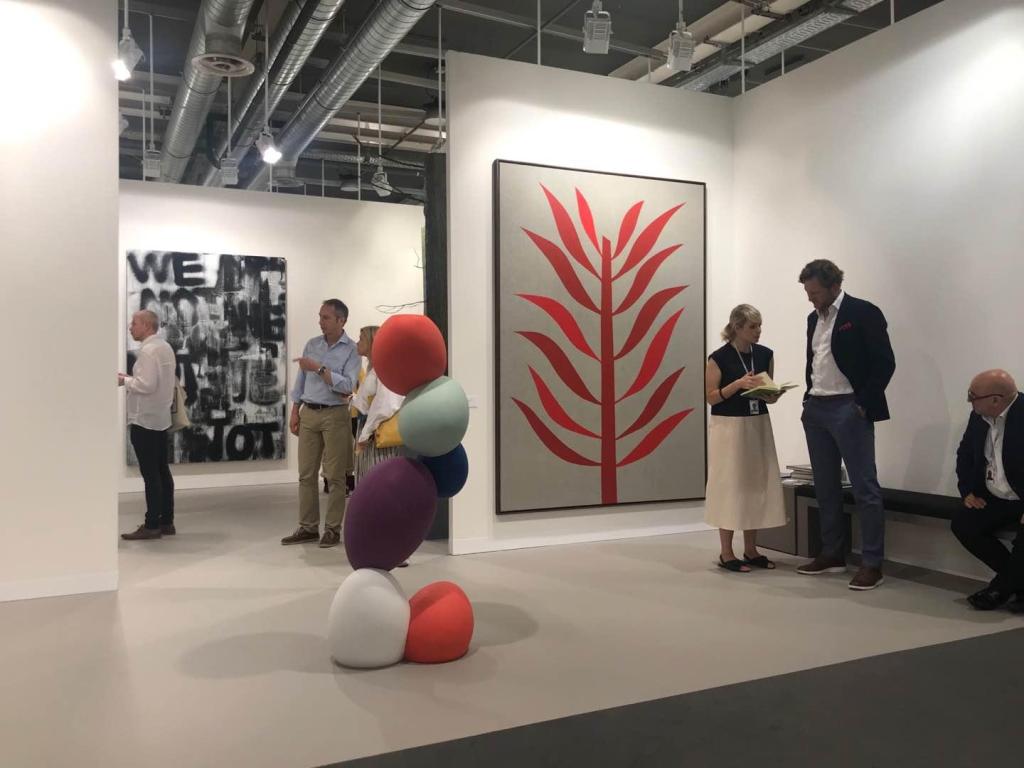
The galleries part’s excellence exceeds my expectation. Here you can have an overlook of the worldwide art gallery scene. There are galleries that sell blue chip artists’ artwork, for instance, Picasso, Degas, and Monet. Moreover, some galleries bring up fresh and emerging artists to the audience. You will never feel bored while walking around. Every booth contains its own tiny world.
The most eye-catching gallery must be Jeff Koons’s artwork Sacred Heart at Gagosian’s booth: a large pink heart with a yellow ribbon. The smooth surface works like a mirror to reflect the people approach it. Security staff in a black suit and stands still beside this pink heart. At the same time, people are changing their poses and facial expressions constantly in order to get the best photos of the day.
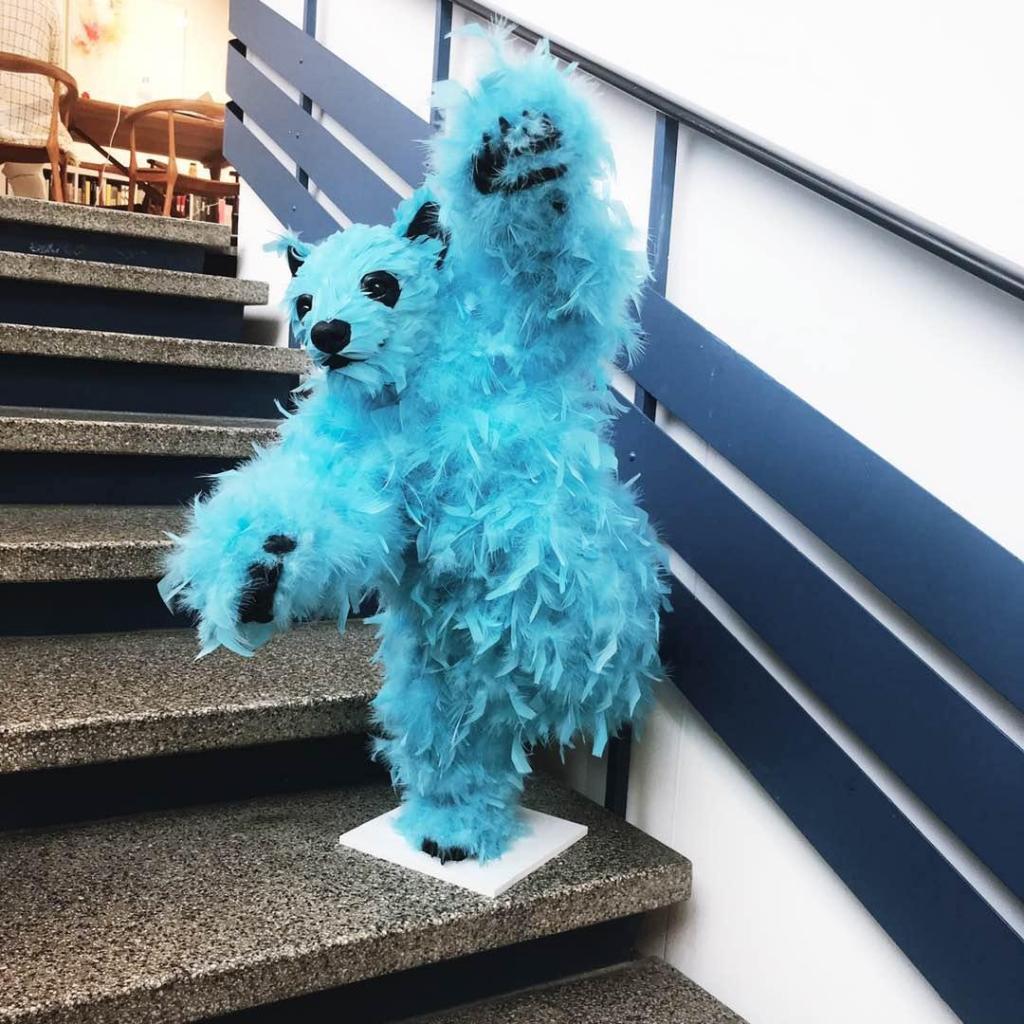
There is a gallery that lights up my day, which is Perrotin Gallery. Perrotin divides their booth into several rooms, and each room has painted in different colors to match with the theme. Their booth has three floors, and artwork is placed in every empty space, like the corner and along the stairs. I am so happy when I saw the artwork from Italian artist Paola Pivi. Colorful polar bears were dancing on the stairs to welcome the visitors.
I only leave one day for Art Basel, but one day was definitely not enough for me to look through all the galleries. The fair organizer has forecasted this situation, so that visitors can easily find empty seats to rest and find food truck/booth to order some snacks and drinks for refreshment.
Except for Art Basel fair, Basel city has lost of other events and important exhibitions hold at the same time. Nearby the Art Basel Hall, there are several art fairs with various styles, including Volta, LISTE, Photo Basel, Scope and Design Miami.
Basel in June is a feast of art waiting for you to explore.
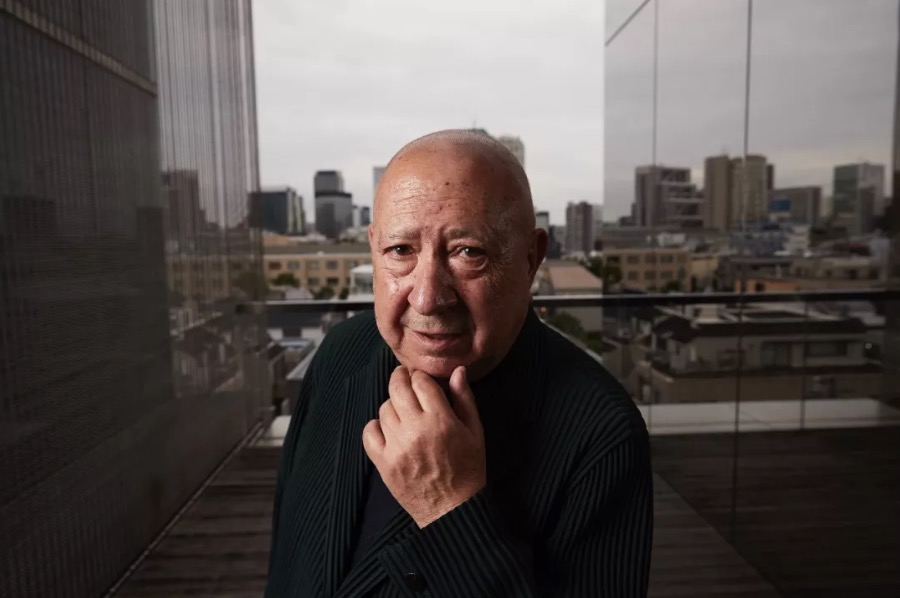
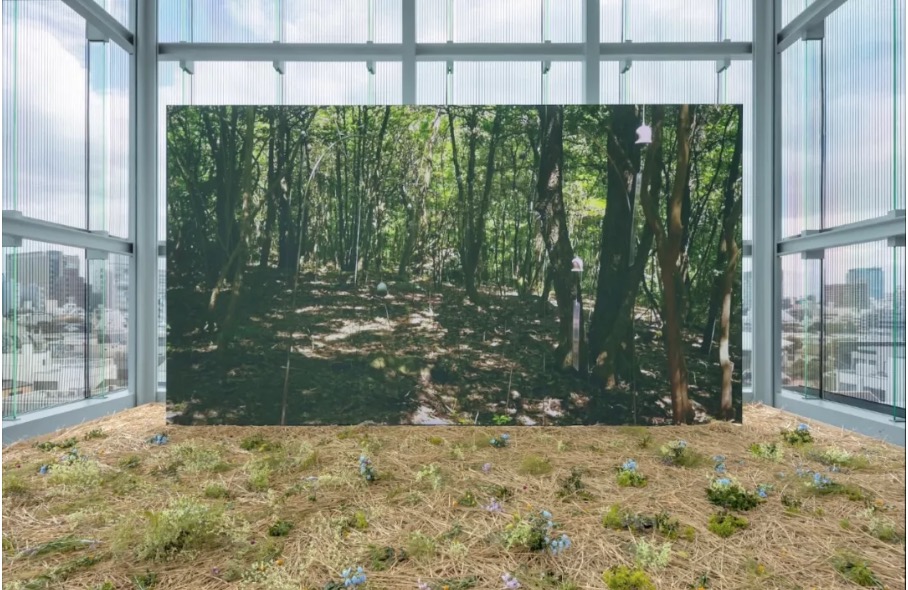
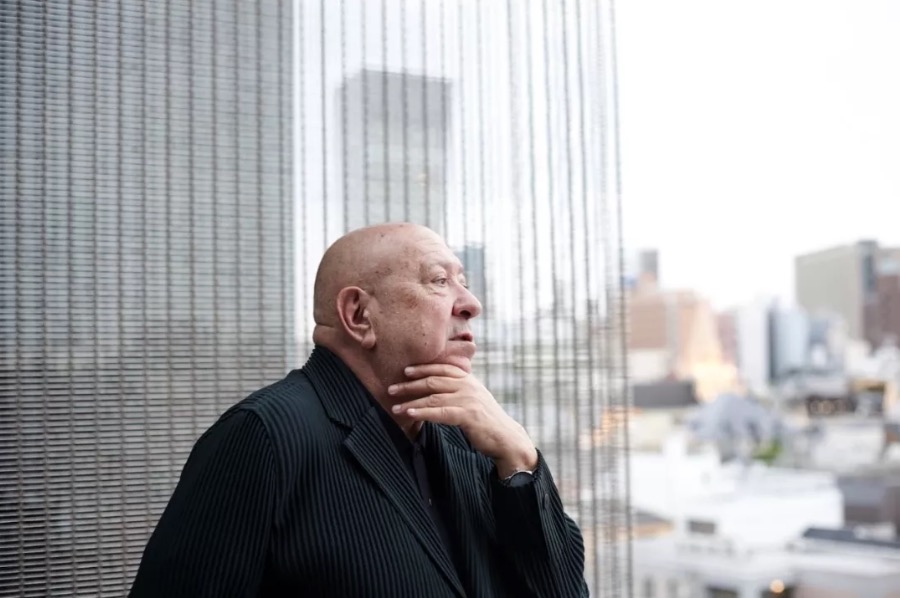
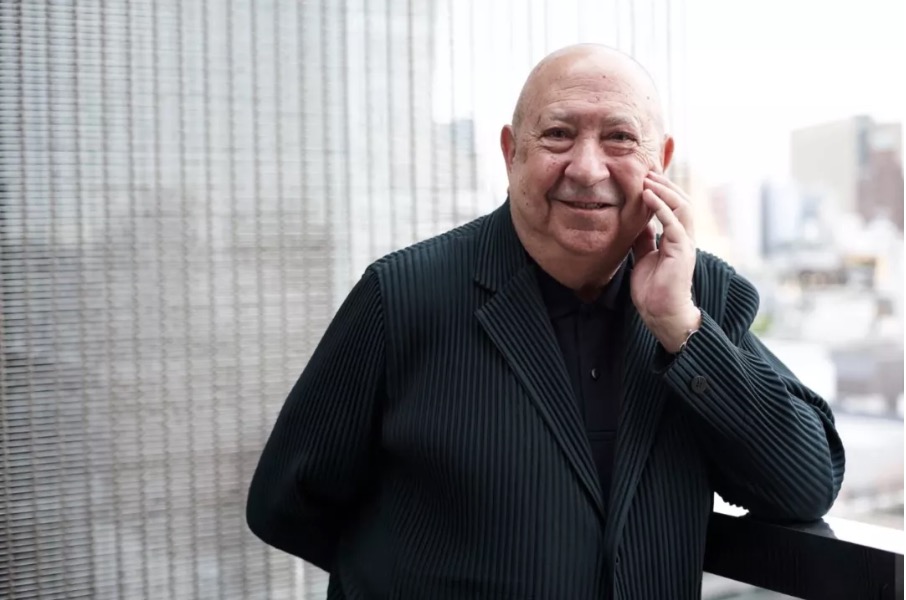
克里斯蒂安・波尔坦斯基(Christian Boltanski)在日本举办历年来规模最大的回顾展“Lifetime”(国立新美术馆)的同时,在东京路易威登艺术空间(Espace Louis Vuitton Tokyo)也推出了一个聚焦于影像装置作品的个展“Animitas II”。围绕本次两个展览,2016年策划了波尔坦斯基个展的东京都庭院美术馆策展人田中雅子,和他聊了作为“神话”的“Animitas”系列和关于艺术本身的思考。
克里斯蒂安・波尔坦斯基 摄影=稻叶真
成为神话的“Animitas”
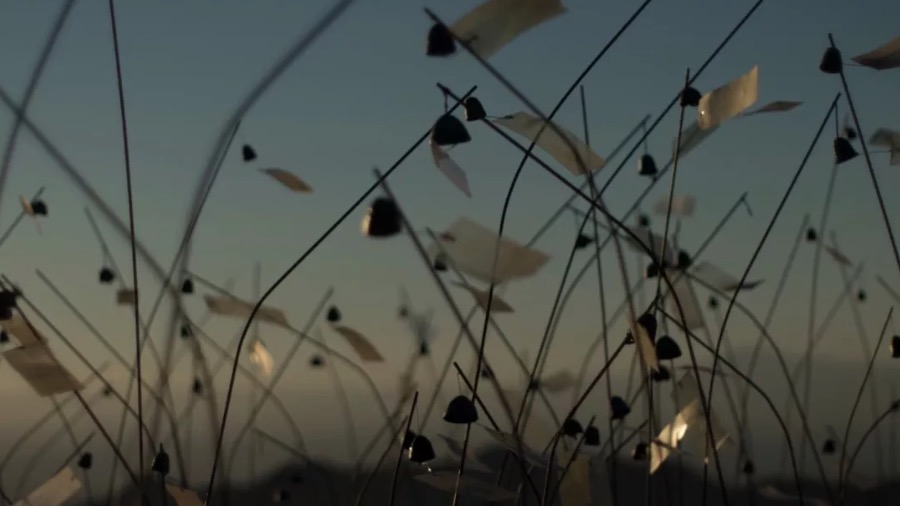
——首先我想先聊聊路易威登艺术空间里的绝对主角——系列作品“Animitas”。以智利的阿塔卡玛沙漠(Desierto de Atacama)为开端的该系列作品是如何被创作出来的,以及又是如何完善的? 阿塔卡玛沙漠是一个特别的地方。海拔高度为4000米,是世界上最为干燥的地方。在那里能够更直接地感受星星与天空,也有天文观测站设立在那里。在同一地点也埋葬着因智利军事独裁政权而牺牲的人们,汇聚着他们的亡灵。因此在那谁也找不到的地方创作了作品,而且那件作品也已经悄无声息地消失了。
Japanese architect Arata Isozaki has generated a theory to analyse the evolution of the interior design of museums and art galleries. According to his theory, museums and art galleries over the past several centuries have diverged into three categories.
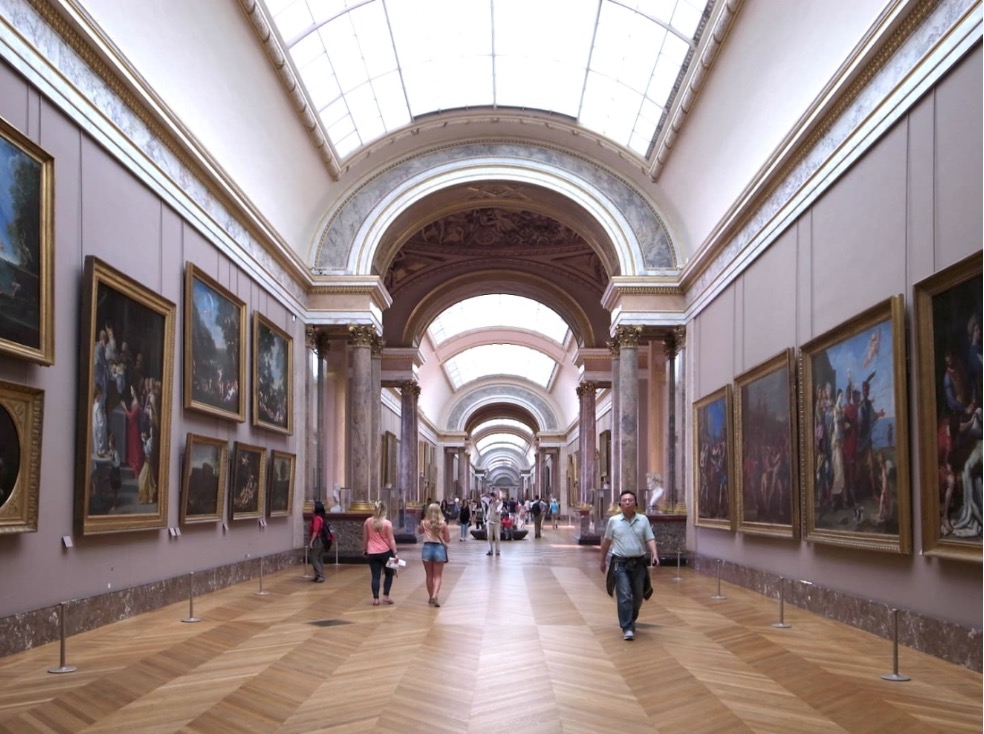
The first category refers to museums established by the 18th century. This type of museum’s primary purpose is to show the art collections from noble people, for instance, Louvre Museum. The features of such a museum are old-fashion coloured walls and heavy frames with elaborate decoration. The permanent collection constitutes mostly of art pieces from old masters.
Louvre Museum
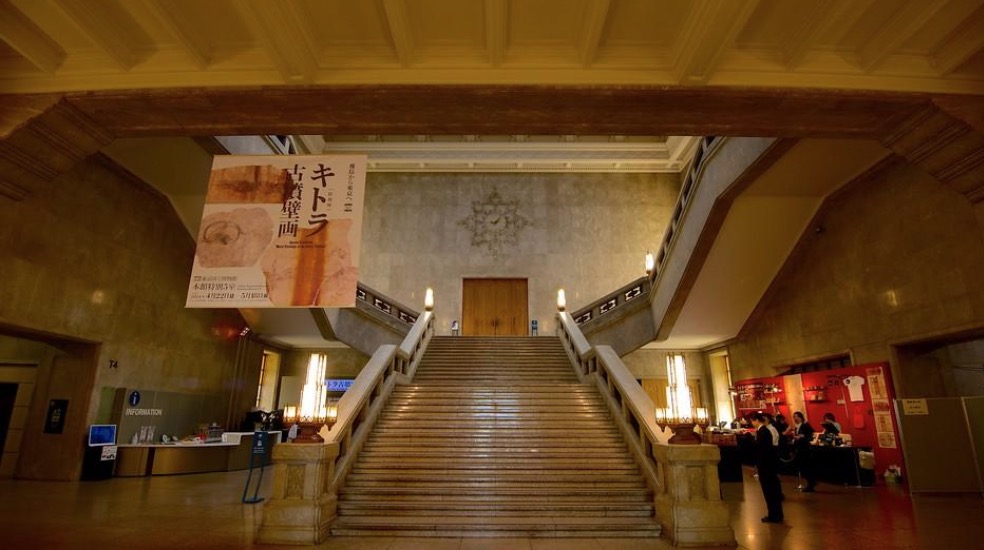
National Museum of Tokyo
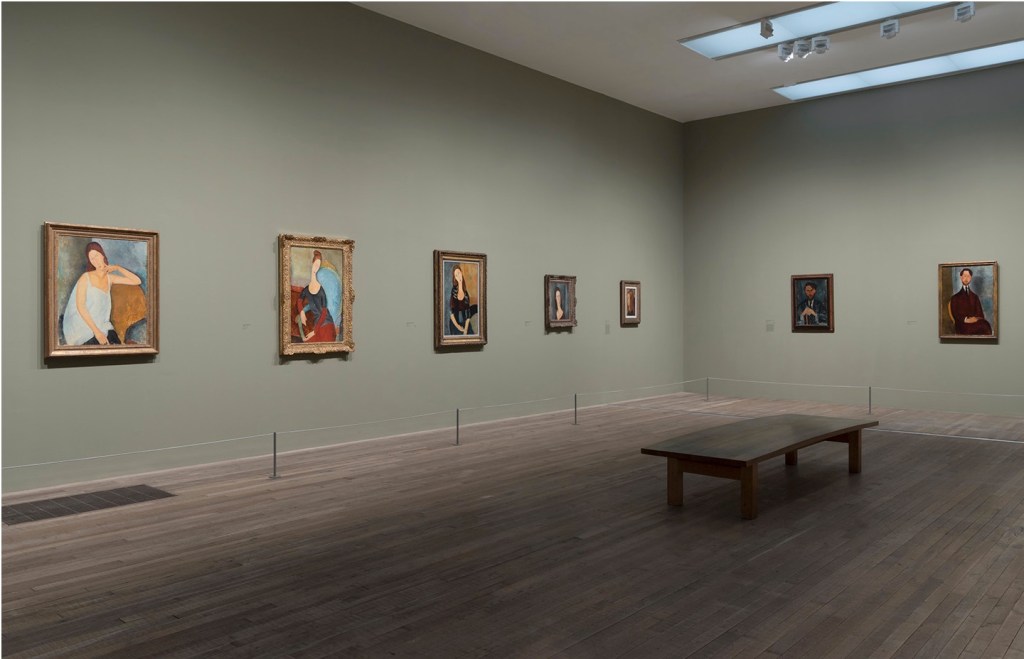
The second category includes museums and art galleries that exhibit modern and contemporary artwork. In these, the interior design is simple and modern. These spaces are categorized by white walls, which is why they are also called “white cubes“.
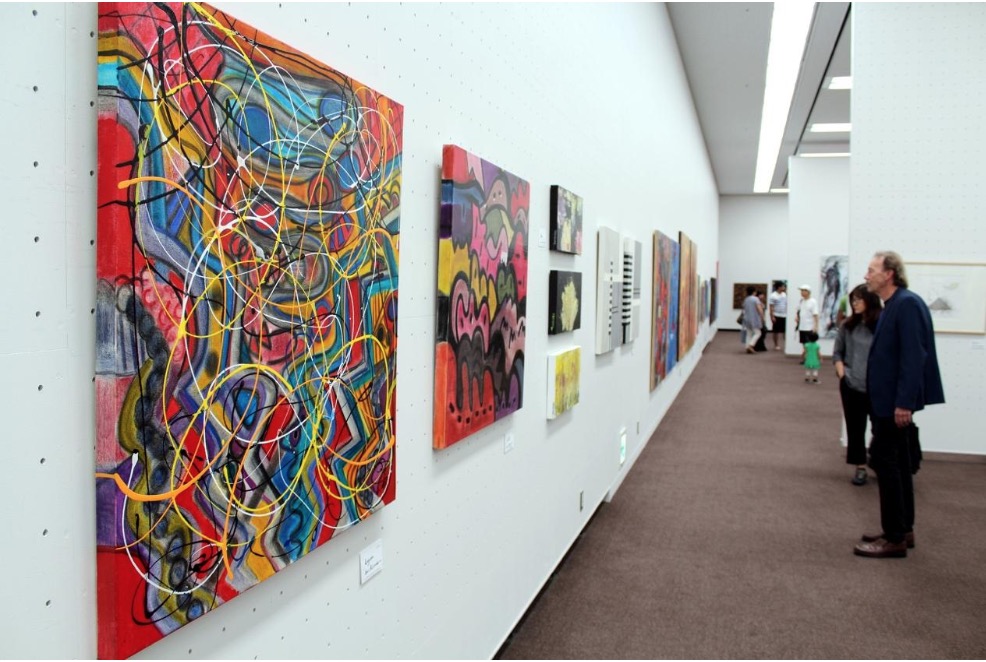
Tokyo Metropolitan Art Museum
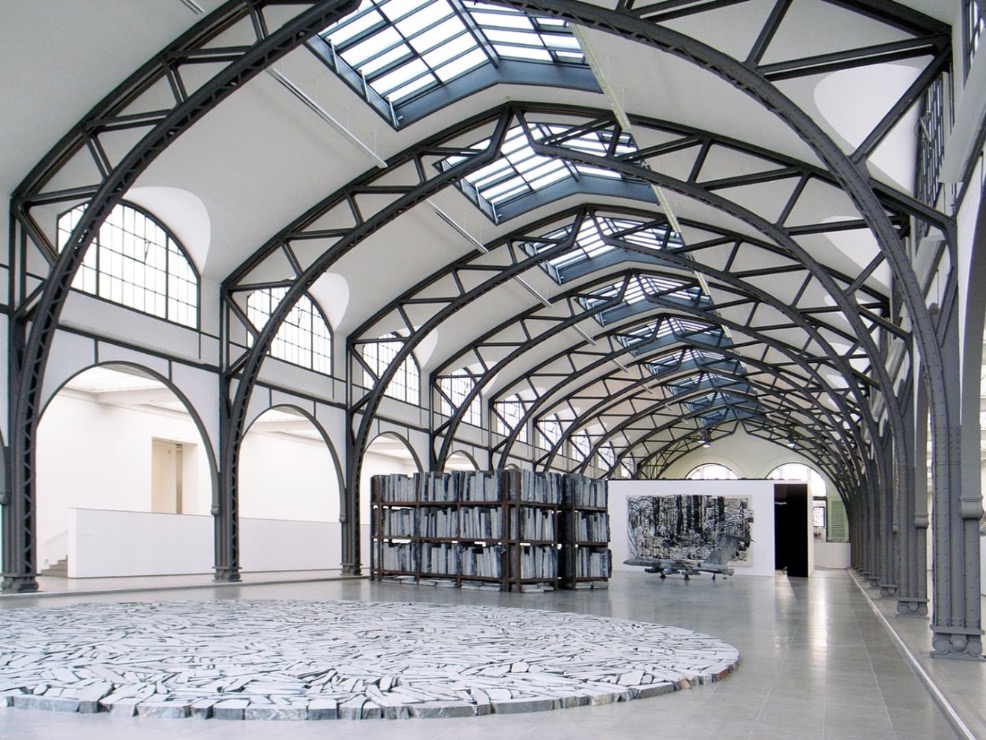
The third category is artist-centered and pays more attention to the architectural design. It is marked by two distinguishing features. The first is collaboration among artists and architects; architects generate the museum concept and design based on the artist’s style and work. This kind of exhibition space is characterised by a strong visual impact from the outside, as well as perfect harmony between the art collections and the buildings they are housed in. The second feature is founded on the concept of renovating abandoned historical buildings, including factories and train stations. These buildings have high ceilings and enormous spaces, therefore meeting the common exhibition space needs. Transforming the abandoned buildings into cultural institutions gives them new life, therefore promoting the concept of recycling and encouraging innovative ideas.
Hamburger Bahnhof
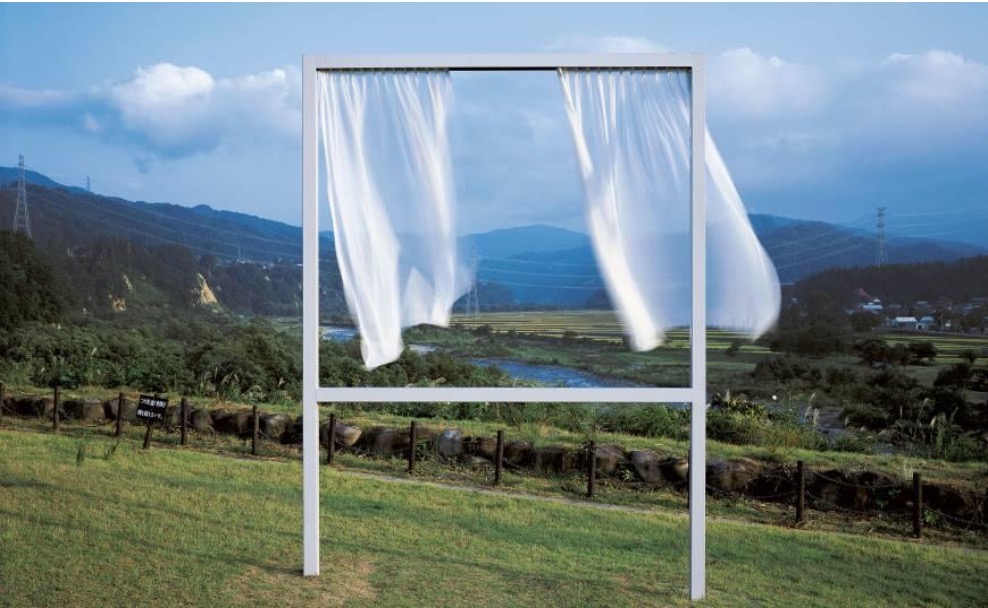
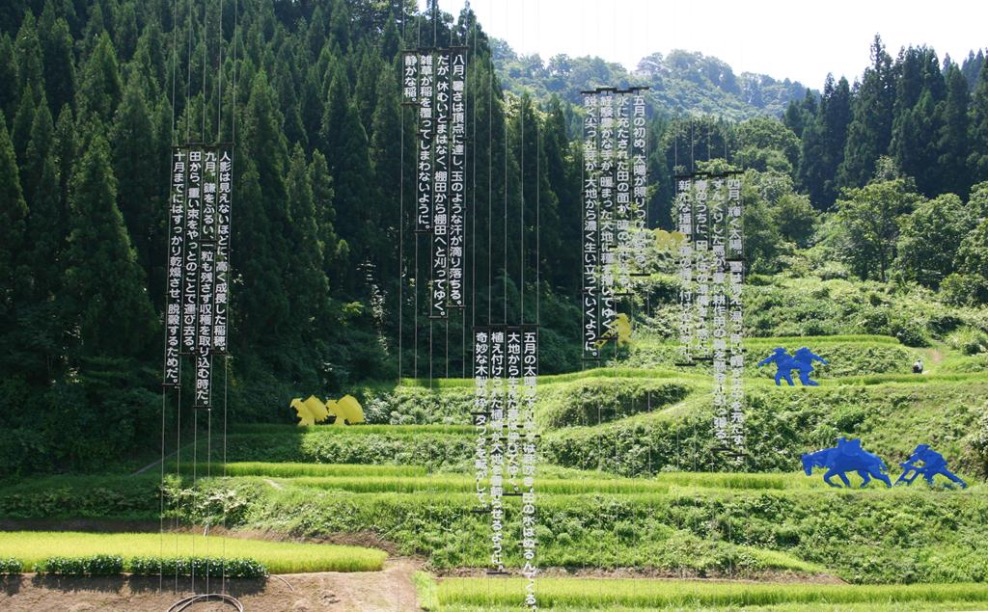
The fourth and the last category adds a new element to the museums and galleries: the “human” one. This characteristic (that isn’t part of Arata Isozaki’s theory) made its first appearance on the International Art Festival of Japan. For example, the Echigo-Tsumari Art Triennale that’s located in a rural village in Nigada province of Japan. The artwork exhibited in this festival is mostly site-specific and located in the outdoor environment. Moreover, the festival is keener on the process of making artwork, compared to the final result. It is a collaborative process in which local people living nearby participate and join the artist in bringing a vision to life, other ordinary people then come and visit the art. Thus, in this instance, art superseeds its original boundaries and influences a society as a whole.
Professor Kurakuma Sumiko from Tokyo Art University called this emerging art scene “collaborative art activity” and summarised its main features: 1. It is focused on the process and is actively present. 2. It considers the surrounding environment and reacts to the social situation. 3. It is open to feedbacks and influence. 4. It attracts diverse people. 5. It plays the role of a social activist.
Echigo-Tsumari Art Triennial
After doing research about the development of Japanese museums and art galleries, I feel the enormous public need for art. This has led to the speedy, development of museums and art galleries in recent years. Art, as a tool of expression, is no longer only mastered by artists like painters and sculptors; ordinary people are getting the opportunity and confidence to express themselves with the help of art professionals. At the same time, I have to admit that the impact of collaborative art activity is still small. White cubes and old-fashioned museums and art galleries enjoy the dominate legitimising status. People are used to be appreciators and outsiders, rather than participators.
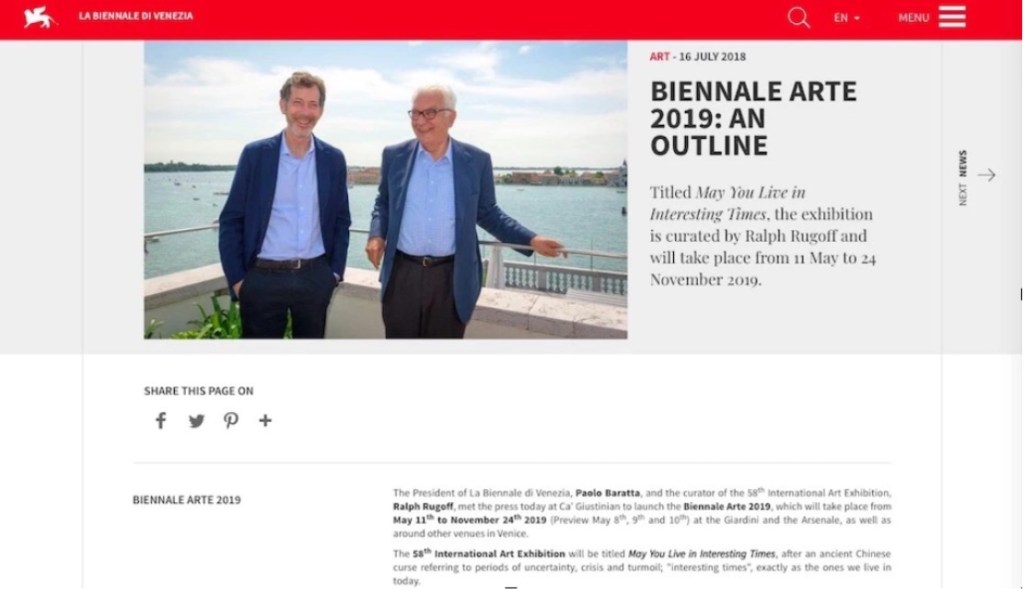
On July 16, 2018, the president of La Biennale di Venezia, Paolo Baratta and the curator of the 58th international Art Exhibition, Ralph Rugoff, met the press at Ca’Giustinian to launch the Biennale Arte 2019, which will take place from May 11th to November 24th 2019 at the Giardini and the Arsenale, as well as around other venues in Venice. The 58th International Art Exhibition is titled May You Live in Interesting Times.
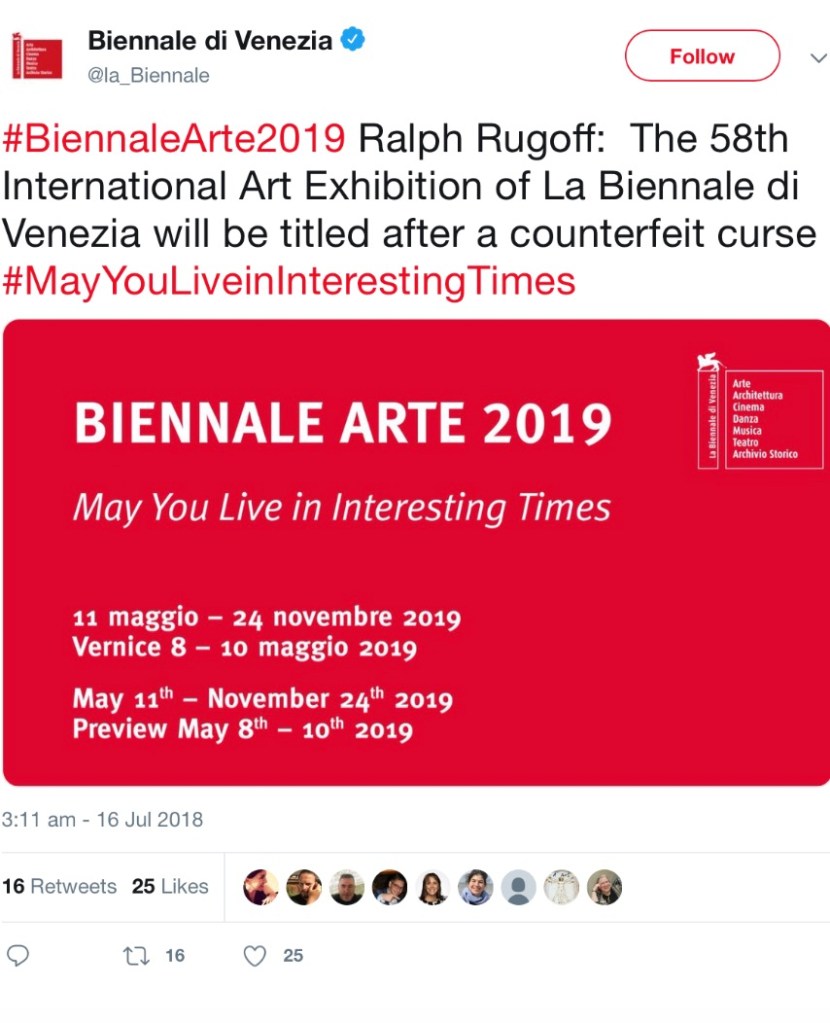
When La Biennale di Venezia first announced this title on July 16, 2018, it became a controversial topic right away. In the official La Biennale di Venezia press description, they wrote: “The 58th International Art Exhibition is titled May You Live in Interesting Times, after an ancient Chinese curse referring to periods of uncertainty, crisis and turmoil; interesting time, as exactly the ones we live in today”. Those sentences sound beautiful and elegant. Unfortunately, there is no such Chinese curse. To be more precise, May You Live in Interesting Times is not a Chinese saying or Chinese slang. Actually, it has nothing to do with China.
Right after the La Biennale di Venezia announced its title, the Hong Kong press South China Morning Post quickly published an article against La Biennale di Venezia. The article is named La Biennale di Venezia deliberately used a fake Chinese curse, and this behavior set off the Art director of Hong Kong Art Center.
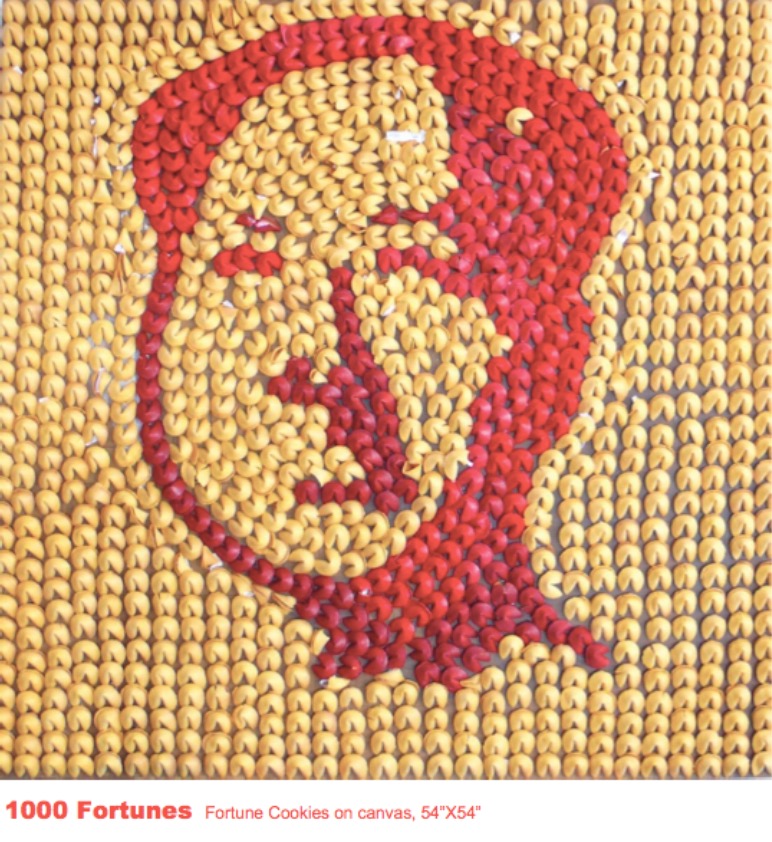
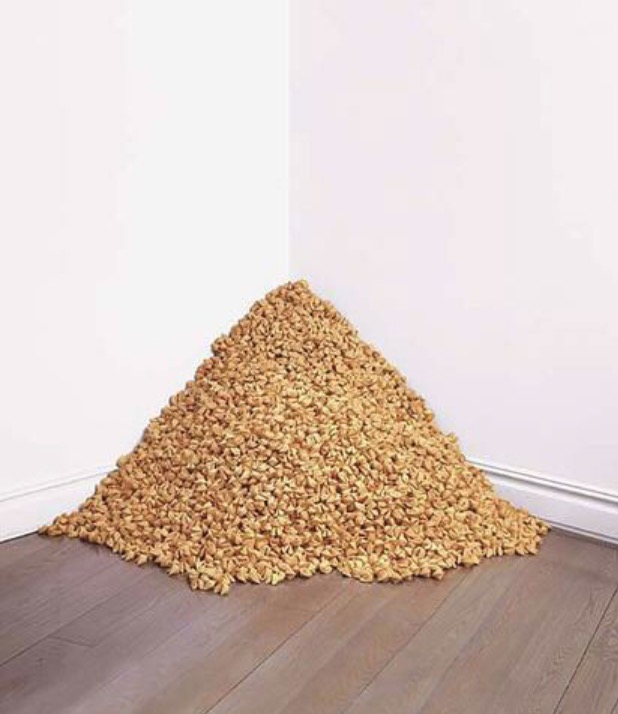
The vice curator of Chinese art of the Robert H. N. Ho Family Foundation at New Guggenheim Museum Wen Xiaoyu summarized this kind of title as a “curatorial fortune cookie”. A fortune cookie is a small dessert offered in Chinese restaurants around North America and Europe. If you break the cookie, it contains short sentences of (supposedly) wisdom. Ironically, the fortune cookie was entirely created in the West. You can’t find fortune cookies in local restaurants in China. Even in the supermarket, you can’t find any kind of cookie with a small paper inside of it.
Fortune cookies are a perfect metaphor for the following situation. Some western art curators want to show that they’re erudite or want to add a bit of mystery into their exhibition. To do that, they will use some words or stories which seem to be originated from the east. However, they do not even check their validity.
Felix Gonzalez-Torres Untitled (Fortune Cookie Corner) 1990
On July 18th, 2018, La Biennale di Venezia’s official site changed its theme description. They wrote: ”The 58th International Art Exhibition will be titled May You Live in Interesting Times, after an alleged ancient Chinese curse, a false belief that British MP Sir Austen Chamberlain had learned of from a British diplomat, and which refers to periods of uncertainty, crisis and turmoil; interesting time, is exactly the ones we live today.”
Then, on July 20th, 2018, La Biennale di Venezia’s official site changed the description again. They wrote: “The 58th International Art Exhibition, titled May You Live in Interesting Times, will take place from 11 May to 24 November 2019 (Pre-opening on 8, 9, 10 May). The title is a phrase of English invention that has long been mistakenly cited as an ancient Chinese curse that invokes periods of uncertainty, crisis and turmoil; interesting times, exactly as the ones we live in today.”
Yet, the above example is not the only case that shows misunderstanding and stereotypes which western people hold towards China. Similar circumstances not only happen in the art world, but also in the fashion world.
The Chinese Spring Festival, which is often held in February, is the most important festival for China, just like Christmas in Europe. Well-known luxury brands always aim at promoting themselves during this important period. They will shoot special posters and introduce a limited version of clothing and bags. But the outcome is not always satisfactory.
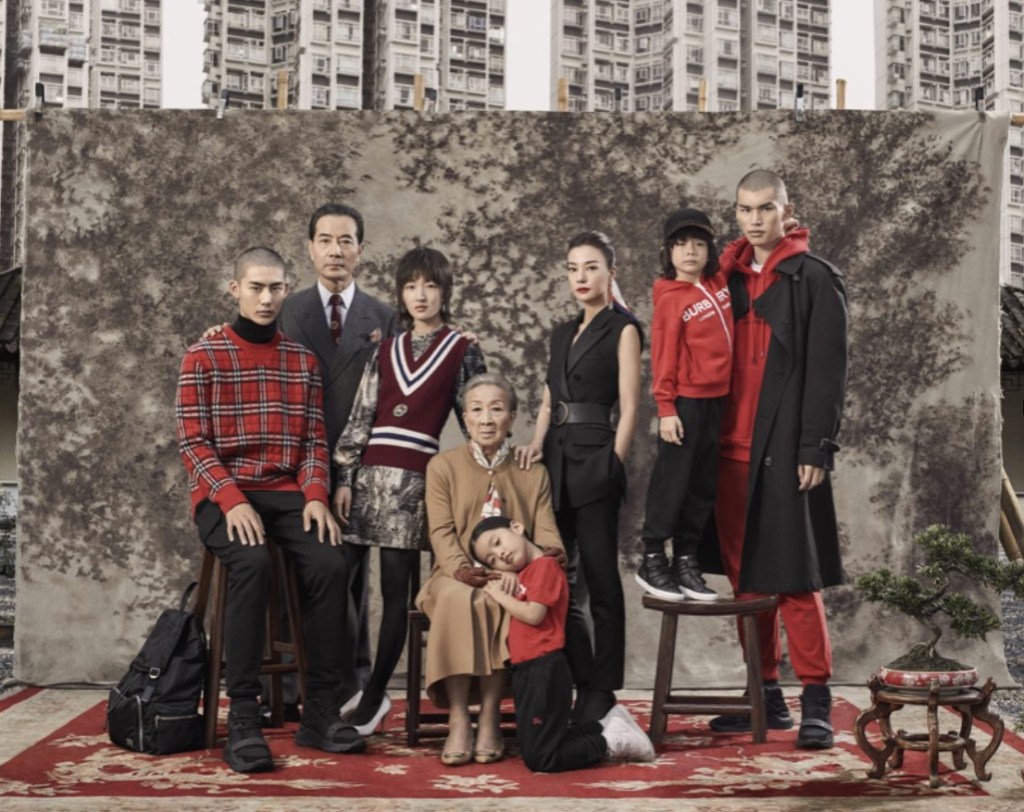
Luxury brand Burberry published its new year advertisement at the beginning of this year. In the poster, Burberry aimed at presenting a sense of family. Yet, because the facial expression in this ad is cool and poker face, the Chinese audience could not understand the initial purpose of this advertisement. On social media, people are still teasing this ad as a screenshot of a horror movie.
Burberry
Of course, it is never easy to understand a foreign culture, particularly between West and East, since these two culture systems are not similar at all, from their philosophy to social norms. Even the understanding within Asian countries is hard to achieve. Take Japan for example. In Japanese animation and TV drama, if there is a Chinese woman character, she must wear a red cheongsam and a two-bun hairstyle. In today’s China, no one dresses like this.